
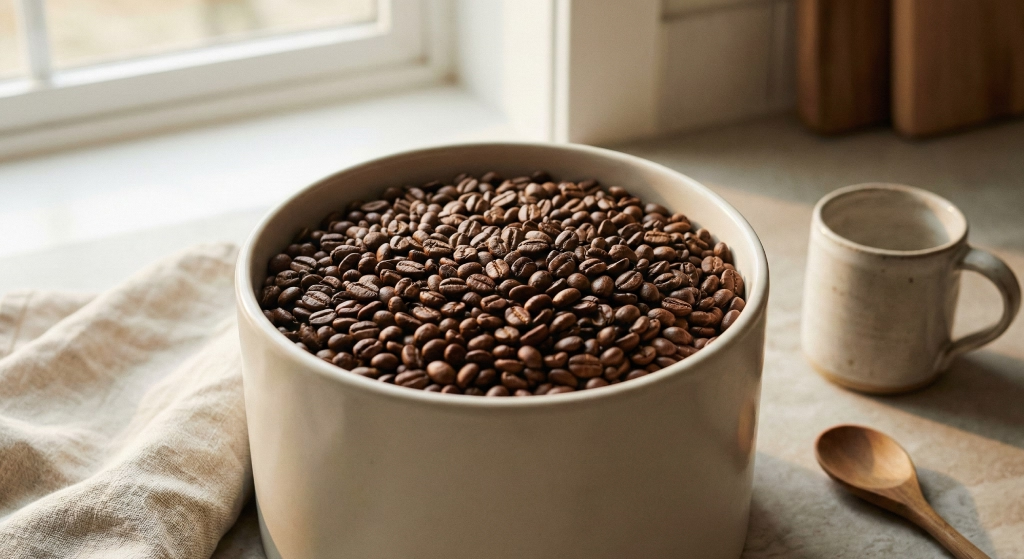
How to Store Coffee Beans (Keep Them Fresh Longer)
How to Store Coffee Beans (Quick Answer)
To keep your coffee beans fresh for as long as possible, follow these simple rules:
Container: Use an opaque, airtight container or a bag with a one-way valve.
Location: Store in a cool, dark, and dry cupboard away from the stove or sunlight.
Temperature: Room temperature is best for daily use.
The Golden Rule: Never store coffee in the refrigerator.
Freezing: Only freeze beans for long-term storage if they are airtight, and do not refreeze them once thawed.
Why Proper Coffee Bean Storage Matters
You might wonder why coffee storage is such a hot topic. The answer lies in the chemistry of the bean. Roasted coffee is a perishable food product, similar to fresh bread or produce. It doesn’t necessarily “spoil” in a way that will make you sick, but it does go stale.
When coffee is roasted, it develops over 800 aromatic compounds that give it that delicious smell and taste. Once roasted, the clock starts ticking. The beans begin to release carbon dioxide (a process called degassing) and lose those volatile flavor notes.
If you store your beans poorly, two things happen:
1. Flavor Loss: The rich, fruity, or chocolatey notes evaporate, leaving you with a flat, boring cup.
2. Rancidity: The natural oils in the coffee oxidize, leading to bitter or cardboard-like flavors.
By controlling the environment around your beans, you can extend that “peak flavor window” from a few days to several weeks or even months.
The 4 Enemies of Coffee Freshness
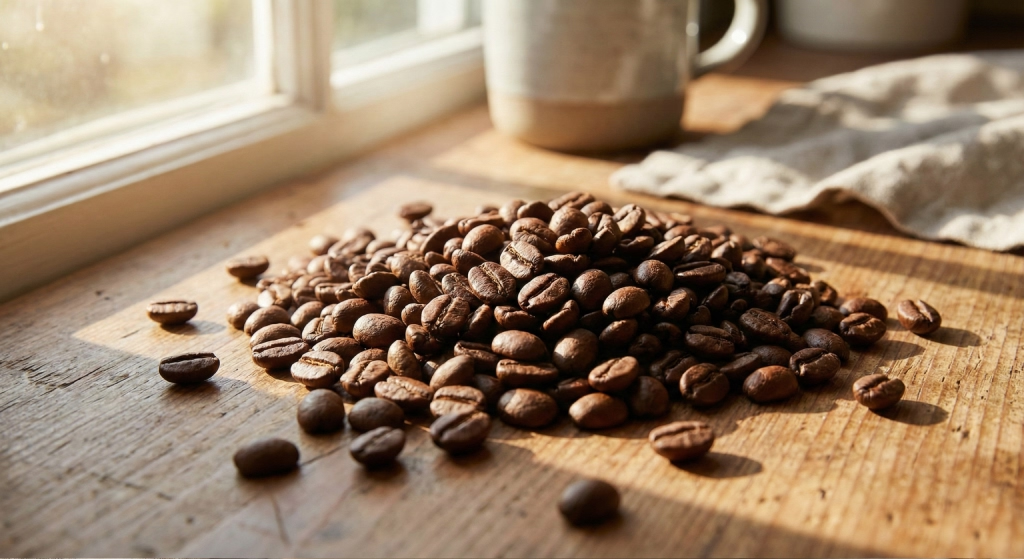
To understand the best way to store coffee beans, you simply need to protect them from their four biggest enemies. Science tells us that these four factors accelerate the chemical reactions that make coffee go stale.
1. Air (Oxygen)
Oxygen is the primary cause of staling. Just as iron rusts or an apple turns brown when exposed to air, coffee beans oxidize. This breaks down the delicate flavors and aromas. This is why keeping beans in an **airtight container** is non-negotiable.
2. Light
Direct sunlight (UV rays) breaks down the chemical structure of the bean and degrades its oils. This process, known as photodegradation, happens surprisingly fast. If you have clear glass jars on your kitchen counter, your coffee is aging prematurely.
3. Heat
Heat acts as an accelerator. In scientific terms, chemical reactions (like staling) speed up drastically as temperature rises. Storing your coffee next to your oven, on top of the fridge, or near a sunny window will cause it to lose flavor much faster than if it were kept in a cool pantry.
4. Moisture
Roasted coffee beans are hygroscopic, meaning they absorb moisture from the air like a sponge. Excess moisture can wash away oils on the surface and lead to “off” flavors. In extreme cases, it can even cause mold. This is the main reason why humid environments (like refrigerators) are dangerous for coffee.
Best Way to Store Coffee Beans (Step-by-Step)
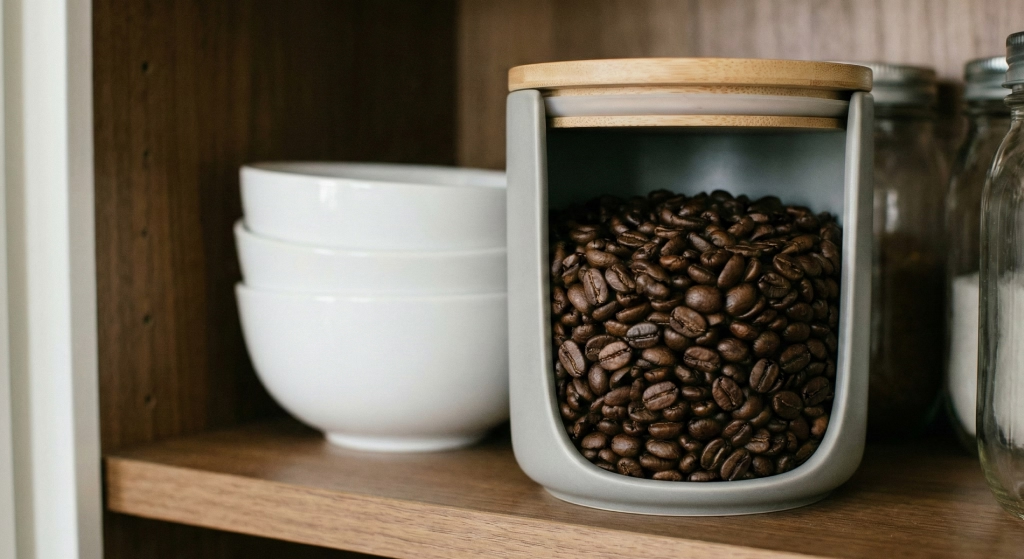
For the coffee you plan to drink within the next 2 to 3 weeks, room temperature storage is the gold standard. Here is the step-by-step method most coffee experts recommend:
1. Buy Whole Beans: Whole beans have less surface area exposed to air compared to ground coffee, meaning they stay fresh significantly longer.
2. Choose the Right Container: Use a dedicated coffee canister that is airtight and opaque (blocks light). Canisters that displace air (using a plunger mechanism) are generally superior to standard jars because they remove the oxygen trapped inside the container.
3. Find the Perfect Spot: Place your container in a kitchen cabinet or pantry. Ensure it is away from the oven, toaster, or coffee maker itself.
4. Keep it Consistent: Avoid areas with wild temperature swings. Stable, cool room temperature is ideal.
How to Store Coffee Beans Long Term
Sometimes you find a great deal on bulk beans, or you want to save a special bag for later. If you aren’t going to finish a bag of coffee within a month, room temperature storage isn’t enough to preserve the quality.
For how to store coffee beans long term, you need to stop the clock. The only way to significantly slow down the aging process without damaging the beans is by using the freezer—but only if you follow specific protocols (detailed below).
Should You Refrigerate Coffee Beans?
The short answer is No.
You should avoid the refrigerator for two main reasons:
1. The Condensation Trap: Every time you take the cold container out of the fridge and open it, warm air rushes in. This creates condensation on the beans. This moisture accelerates staling and destroys the oils.
2. **Odor Absorption:** Coffee is a deodorizer (that’s why some people put grounds in their fridge to kill smells). If you store your beans in the fridge, they will eventually taste like onions, garlic, or whatever leftovers are on the shelf next to them.
Should You Freeze Coffee Beans?
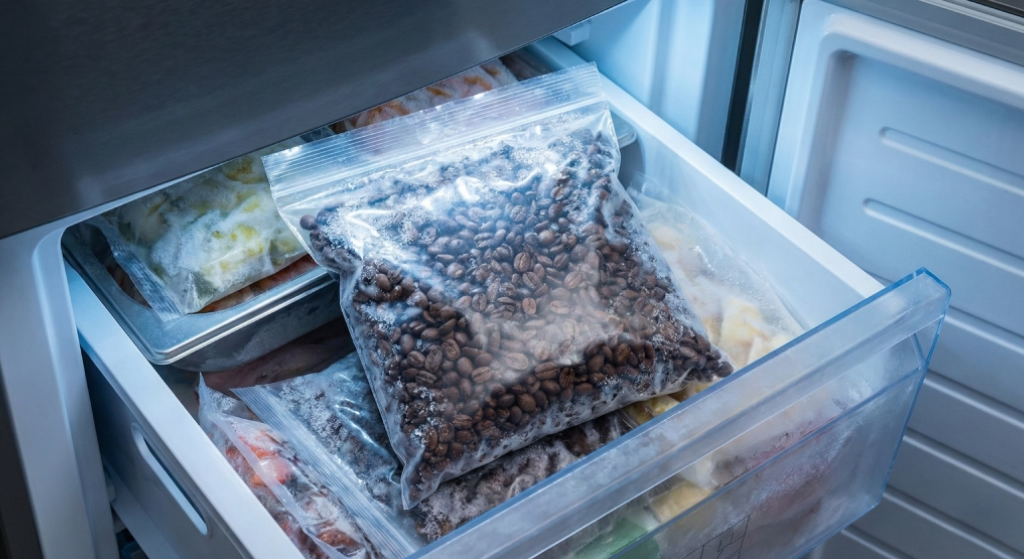
This is the most debated topic in coffee. Can you freeze coffee beans? Yes, but you must do it properly.
Freezing is excellent for long-term storage because it locks the beans in a state that dramatically slows down oxidation. However, the “in-and-out” method is a disaster. If you take a big bag of frozen beans out every morning to scoop a dose and put it back, moisture will ruin the bag within days.
The “One-Way Trip” Method for Freezing:
1. Unopened Bags: If you have a factory-sealed bag (with no holes other than the valve), you can put the whole bag in the freezer.
2. Opened Bags: If the bag is open, divide the coffee into smaller, single-portion sizes (enough for a few days or a week).
3. Seal Tightly: Place these portions in airtight zipper bags or vacuum-seal bags. Remove as much air as possible.
4. Thaw Completely: When you are ready to use a batch, take it out and **let it come to room temperature** before opening the bag. This prevents condensation from forming on the beans.
5. Don’t Refreeze: Once coffee is thawed, treat it like fresh coffee and store it in your pantry.
How Long Do Coffee Beans Last?
Coffee doesn’t expire in the traditional sense, but its quality follows a curve. Here is a breakdown of how storage affects shelf life.
| Coffee State | Pantry (Ideal Storage) | Freezer (Properly Sealed) |
|---|---|---|
| Whole Beans (Unopened) | 2–4 weeks past roast date | 3–6 months |
| Whole Beans (Opened) | 2–3 weeks | Not Recommended (unless portioned) |
| Ground Coffee (Unopened) | 1–2 weeks | 1–2 months |
| Ground Coffee (Opened) | 3–5 days | Not Recommended |
Note: These timelines refer to “peak flavor.” Coffee is safe to consume long after these dates, but it will taste flat and stale.
Best Containers for Coffee Beans
You don’t need expensive gear to store coffee, but the right vessel helps.
Original Bag: Most high-quality coffee comes in a bag with a one-way valve. This valve lets CO2 (gas) out without letting oxygen in. If the bag has a zipper seal, this is perfectly fine for short-term storage (1–2 weeks).
Air-Displacement Canisters: These are containers with an inner lid or plunger that pushes the air out. These are considered the best way to store coffee beans once the bag is opened because they minimize oxygen contact.
Mason Jars: Glass jars are airtight, which is good. However, clear glass lets in light. If you use mason jars, keep them in a dark cabinet.
Vacuum Canisters: These use a pump to create a vacuum seal. They are effective, but sometimes the CO2 releasing from fresh beans can break the vacuum seal, requiring you to re-pump them frequently.
How to Store Coffee Beans for Espresso
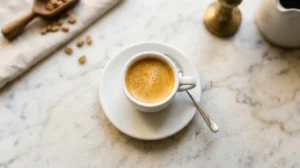
If you are an espresso drinker, freshness is even more critical. Espresso requires the CO2 gases inside the bean to create pressure and produce that beautiful, golden foam on top known as **crema**.
If your beans are stale, you will get little to no crema, and the shot will run too fast (watery).
Resting Period: Espresso beans actually need to “rest” for about 5–10 days after roasting to de-gas slightly. If they are too fresh, the gas can make the shot sour.
Storage: Follow the standard pantry rules. Once opened, try to use espresso beans within 3 weeks for the best crema.
For more tips on choosing the right roast for your shots, check out our guide on Best Coffee Beans for Espresso Machines.
Common Coffee Bean Storage Mistakes
Even experienced coffee lovers make these errors. Avoid them to get the best cup:
Storing Beans in the Hopper: It looks nice to keep your grinder hopper full, but the hopper is not airtight, and it is usually clear (light exposure). Worse, the heat from the grinder motor can warm the beans. Only put in what you need for that brew.
Leaving the Spoon in the Bag: This often prevents the bag from sealing tightly, letting oxygen leak in constantly.
Freezing in Poor Packaging: Tossing a loosely clipped bag into the freezer will result in “freezer burned” coffee that tastes like the inside of your icebox.
Buying Too Much: The best storage method is simply buying smaller amounts more frequently. Buying a 5lb bag is only a deal if you can drink it all while it’s fresh.
Frequently Asked Questions
In terms of food safety, no. Coffee beans are a dry good and can be safe to consume for months or even years if kept dry. However, in terms of flavor, they absolutely “expire.” After about a month, they lose the distinct character that makes specialty coffee special.
If your beans are old and stale, don’t throw them away! You can use them for cold brew (which is more forgiving of old beans), use them as a compost additive for your garden, or use them to scrub dishes.
Yes, but only for long-term storage. Store them in vacuum-sealed bags or airtight containers. Do not take them in and out of the freezer daily.
No. The refrigerator introduces moisture and odors that damage the coffee. A cool, dry pantry is always better than a fridge.
For the best taste, consume whole beans within 4 weeks of their roast date. They are still drinkable after this, but the flavor will be muted.
Yes, much faster. Grinding increases the surface area of the coffee by thousands of times, exposing all that area to oxygen immediately. Ground coffee can lose the majority of its aroma within minutes to hours. Always store beans whole and grind just before brewing.
If the bag has a high-quality one-way valve and a strong zipper seal, it is a very good storage option. However, a dedicated air-displacement canister is slightly better once the bag is opened.
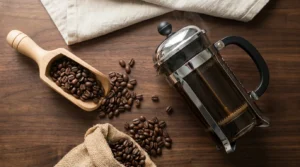
Yes. Old coffee won’t make you sick, but it will taste “woodsy” or like cardboard. If you must use them, try brewing with an immersion method like a French Press, which can extract a decent body even from older beans.
Conclusion
Storing coffee doesn’t have to be complicated. You just need to remember the simple goal: keep the flavor locked in and the enemies (air, heat, light, moisture) out.
The Bottom Line:
Buy fresh, whole beans.
Store them in an airtight, opaque container in a cabinet.
Only use the freezer for long-term backup, never for daily use.
By following these tips on how to store coffee beans properly, you ensure that every morning cup tastes exactly as the roaster intended rich, aromatic, and delicious.
Share your coffee experience
Have you tried this product? Add a thoughtful review or ask a question.