
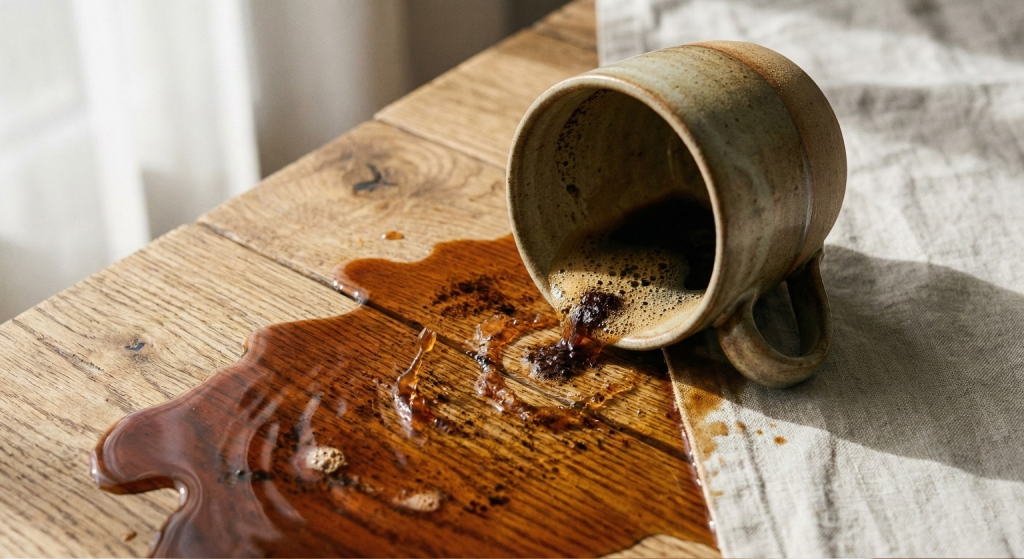
We have all been there. You are rushing to work or relaxing on the sofa, and suddenly your coffee cup tips over. The dark liquid spreads fast, and panic sets in.
This guide is for anyone facing a fresh spill or trying to salvage a favorite shirt with an old spot. You don’t need expensive chemicals to fix this.
In this article, you will learn exactly how to remove coffee stains using simple household items. We will cover clothes, carpets, and upholstery so you can get back to your day worry-free.
How to Remove Coffee Stains Fast (Quick Steps)
1. Blot the stain (do not rub)
2. Rinse with cold water
3. Apply a mild cleaning solution
4. Blot and rinse again
5. Air-dry and repeat if needed
Why coffee stains easily and why speed matters
Coffee contains tannins, which are naturally occurring vegetable dyes. These are the same compounds used to tan leather and make ink. Because tannins adhere tightly to fabric fibers, coffee is effective at leaving permanent marks.
Speed is your best defense. When a spill happens, the liquid sits on top of the fibers for a few moments before soaking in.
If you catch it immediately, you can lift most of the coffee before it bonds. Once the coffee dries, the tannins set, making removal much more difficult.
Quick first aid for any coffee spill
Before you grab the detergent, perform immediate first aid. This applies to almost any surface.
Do not rub. Rubbing spreads the liquid outward and pushes it deeper into the fibers.
Instead, grab a clean paper towel or cloth and blot gently. Press down to absorb the liquid. Keep moving to a clean part of the cloth until no more coffee transfers.
After blotting, flush the area with cold water. Never use hot water on a fresh stain, as heat can cook the proteins in milk or cream, permanently setting the odor and stain.
How to remove coffee stains from clothes
Clothing is the most common casualty of coffee spills. The method depends slightly on the fabric, but the principles remain the same.
Synthetic fabrics (Polyester, Acrylic)
Synthetic fibers are generally more forgiving.
1. Remove the garment and flush the stain from the *back* with cold water.
2. Mix one tablespoon of white vinegar with a teaspoon of liquid dish soap in a cup of water.
3. Apply the mixture to the stain using a clean cloth.
4. Let it sit for 15 minutes.
5. Rinse thoroughly and wash as usual.
Cotton and Linen
Natural fibers absorb liquid quickly.
1. Flush with cold water immediately.
2. Apply a liquid laundry detergent directly to the spot.
3. Gently rub the fabric together with your thumbs to work the detergent in.
4. Soak in cold water for 30 minutes.
5. Check the stain. If it’s gone, wash on the hottest setting safe for the fabric.
White vs colored fabrics
For white clothes, you can use a diluted bleach solution or hydrogen peroxide as a last resort. Always test a hidden area first.
For colored fabrics, stick to distilled white vinegar or color-safe oxygen bleach. Avoid chlorine bleach, as it will leave white spots that are worse than the coffee stain.
How to remove coffee stains from carpet
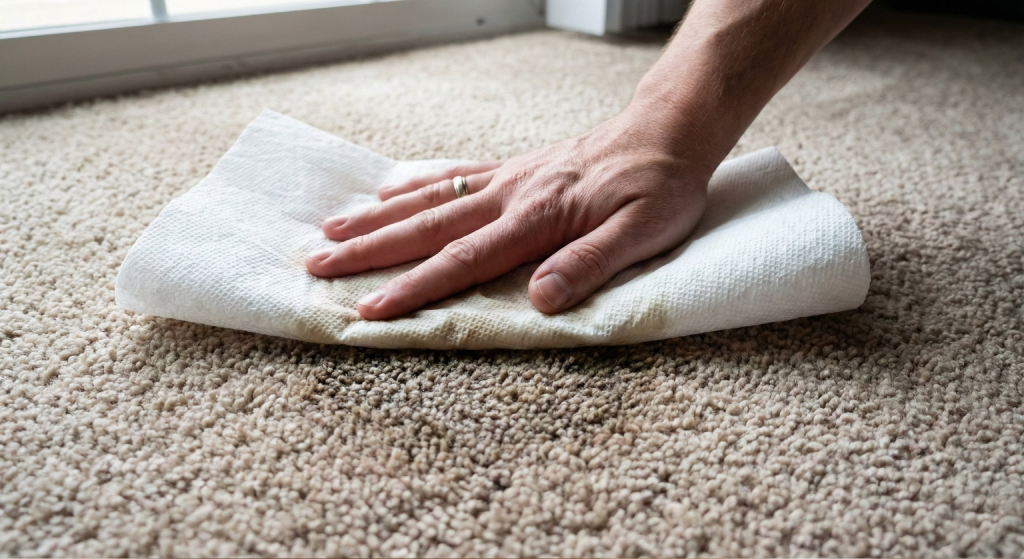
You can’t toss a carpet in the washing machine, so the blotting technique is critical here.
1. Blot immediately: Use paper towels to soak up as much liquid as possible. Step on the towels for better pressure.
2. Dilute: Pour a small amount of cold water onto the spot to dilute the remaining coffee. Blot again.
3. Apply Cleaner: Mix one tablespoon of liquid dish soap, one tablespoon of white vinegar, and two cups of warm water.
4. Sponge: Dip a clean cloth in the solution and sponge the stain. Work from the outside in to prevent spreading.
5. Rinse: Sponge with plain cold water to remove soap residue. Sticky soap attracts dirt later.
How to remove coffee stains from upholstery
Upholstery requires a delicate touch. You do not want to soak the foam cushion underneath, as this can lead to mold.
Using foam cleaning
1. Whisk a mixture of water and dish soap vigorously until it creates thick foam.
2. Apply *only the foam* to the stain using a sponge.
3. Gently scrub the fabric surface.
4. Wipe away the foam with a clean, damp cloth.
5. Dry quickly using a fan or hair dryer on the “cool” setting.
Troubleshooting stubborn furniture stains
If soap doesn’t work, try a commercial enzyme cleaner designed for pet stains. These break down organic material like coffee and milk proteins effectively.
How to remove coffee stains from mugs and cups
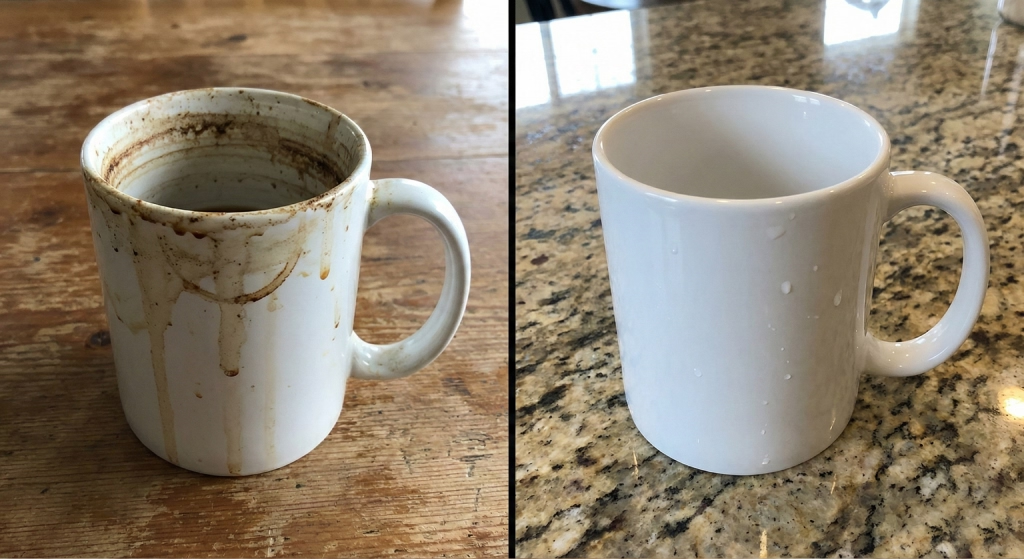
Brown rings inside your favorite mug are unsightly but easy to fix. The dishwasher often leaves these behind.
1. Baking Soda Paste: Mix baking soda with a little water to form a thick paste.
2. Scrub: Apply the paste to the inside of the mug.
3. Wait: Let it sit for 5 to 10 minutes.
4. Wipe: Use a sponge or abrasive scrubbing pad to wipe the rings away.
5. Rinse: Wash with warm soapy water.
How to remove old or dried coffee stains
If you found a stain a week later, don’t worry. It just takes more patience.
The key to old stains is pre-soaking.
1. Fill a sink or basin with cool water.
2. Add a scoop of oxygen-based bleach (like OxiClean).
3. Submerge the garment and let it soak for at least one hour, or overnight for tough spots.
4. Wash as usual.
For old carpet stains, dampen the spot with water, apply a paste of baking soda and water, let it dry, and vacuum it up. Repeat if necessary.
Common coffee stain removal mistakes
Avoiding these errors can save your fabrics from permanent damage.
Using hot water on fresh stains: This sets the stain. Always start cold.
Rubbing aggressively: This damages fabric fibers and creates a “fuzzy” worn spot.
Mixing chemicals: Never mix bleach with ammonia or vinegar. This creates toxic fumes.
Drying before checking: Never put a stained item in a hot dryer. If the stain isn’t gone, the heat will seal it in forever.
Tools and supplies you’ll need
You likely have most of these in your pantry already.
White Paper Towels: Colored napkins might transfer dye.
Distilled White Vinegar: Breaks down tannins.
Liquid Dish Soap: Cuts through oils (creamer/milk).
Baking Soda: A gentle abrasive for hard surfaces.
Oxygen Bleach: Safe for most colors and powerful on organic stains.
Soft Sponge or Cloth: For gentle blotting.
Frequently Asked Questions
Yes, distilled white vinegar is acidic and helps break down the chemical structure of coffee tannins. It is safe for most fabrics and carpets when diluted with water.
Baking soda is excellent for hard surfaces like mugs or teeth. For fabrics, it works best when mixed with water to treat dried stains or absorb odors.
Hydrogen peroxide is a mild bleaching agent. It is generally safe for white items but can fade colors. Always do a spot test on a hidden seam before using it on colored clothing.
Yes, hot water can set coffee stains, especially if the coffee contained milk or cream. The heat cooks the protein, binding it to the fiber. Always begin treating a stain with cold water.
Conclusion
Knowing how to remove coffee stains gives you the freedom to enjoy your morning brew without fear. Remember the golden rule: act fast, keep it cold, and blot don’t rub. With these simple steps and supplies, you can keep your home and wardrobe looking fresh.

Share your coffee experience
Have you tried this product? Add a thoughtful review or ask a question.