If you have ever wondered exactly what is light roast coffee, you are not alone. As specialty coffee culture grows, lighter roasts have taken center stage for their complex, vibrant flavors.
Quick Definition: Light roast coffee is coffee that has been roasted for a short duration, typically removed from the heat immediately after the “first crack” the moment the beans audibly pop and expand. This gentle roasting process highlights the bean’s natural origin characteristics, resulting in a bright, tea-like body with pronounced fruity and floral notes. Contrary to popular belief, a light roast does not contain significantly more caffeine than a dark roast by weight, though it does measure slightly higher by volume due to its higher bean density.
Whether you are looking to refine your morning pour-over or just want to understand the coffee menu at your local café, this guide covers the science, flavor, and optimal brewing methods for light roast coffee.
What Makes Coffee a “Light Roast”?
Roasting transforms a green, grassy seed into the aromatic coffee beans we brew every day. What makes a bean a “light roast” comes down to time, temperature, and a critical physical milestone in the roasting drum.
The Roasting Temperature Range
Light roast coffee is typically dropped (removed from the roaster) at a roasting temperature between 350°F and 400°F (177°C – 204°C). Because it spends less time in the roaster, the coffee retains more of its original organic compounds.
When beans are subjected to heat, their internal moisture turns to steam. This builds pressure inside the bean until it ruptures. This audible popping sound is called **first crack**. Light roasts are generally finished right at the beginning of, or immediately following, first crack.
Visual and Physical Characteristics
Because the beans have not been exposed to prolonged, intense heat, you will notice distinct physical traits:
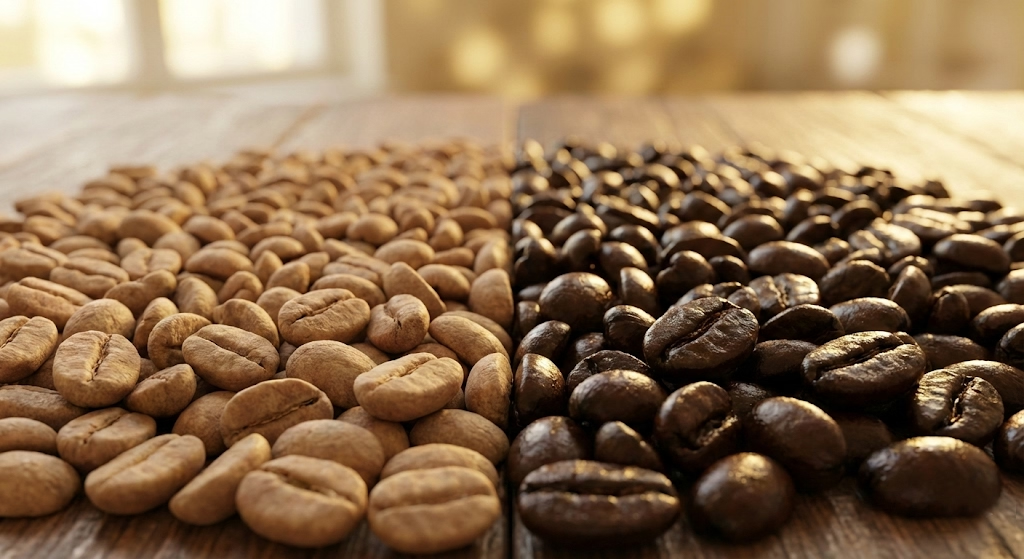
Color: A pale, light brown, similar to the color of toasted cinnamon or peanut butter.
Surface: Dry and matte. The beans have not been roasted long enough for their internal oils to push to the surface.
Bean Density: Light roasts are much denser and harder than darker roasts because they retain more moisture and have not expanded as much.
Common Industry Names
When buying coffee, “light roast” might be labeled under a few different traditional and commercial names. You may see it sold as Blonde Roast, Cinnamon Roast, City Roast, Light City, or Half City.
What Does Light Roast Coffee Taste Like?
If you are used to drinking dark, smoky, or bitter diner coffee, the light roast flavor profile can be a revelation. Because the roasting process does not burn off the bean’s natural compounds, you are tasting the agricultural product itself, rather than the flavor of the roast.
Embracing Origin Characteristics
Light roasts are favored by specialty coffee roasters because they preserve a bean’s unique terroir—the environmental conditions where the coffee was grown. A light roast from Ethiopia will taste drastically different from a light roast from Colombia.
Typical Flavor Notes
You will frequently find descriptors on light roast coffee bags that sound more like a fruit stand than a coffee shop. Expect vibrant fruity notes (like blueberry, peach, or grapefruit) and delicate floral notes (like jasmine or honeysuckle).
Acidity and Body
The defining characteristic of a light roast is its brightness, which coffee professionals refer to as acidity. This is not the sourness of bad coffee, but a crisp, refreshing snap similar to biting into a crisp green apple or sipping a dry white wine.
In terms of mouthfeel, light roast coffee usually has a lighter, tea-like body. It does not possess the heavy, syrupy thickness associated with dark, oily beans.
Does Light Roast Have More Caffeine?
One of the most common debates in the coffee world revolves around light roast coffee caffeine content. You will often hear people confidently claim that light roasts are highly caffeinated while others swear by dark roasts for a morning jolt.
So, does light roast have more caffeine? The answer depends entirely on how you measure your coffee before brewing.**
Measuring by Volume (Scoops)
If you measure your coffee with a tablespoon, light roast has more caffeine per scoop. During the roasting process, coffee beans lose water weight and expand in size. Because light roast beans are smaller and have a higher bean density, more beans fit into a single scoop. More beans equal more caffeine.
Measuring by Weight (Grams)
If you measure your coffee using a digital scale, the caffeine content is virtually identical across all roast levels. Caffeine is a highly stable compound. The temperatures used in coffee roasting are not high enough to burn off or destroy caffeine. Therefore, 20 grams of light roast and 20 grams of dark roast yield almost the exact same amount of caffeine in your cup.
If you want absolute precision in your morning routine, upgrading to the [best grinder for home](#) and a digital scale is the easiest way to ensure consistent caffeine and flavor.
Is Light Roast More Acidic?
Another common question is whether light roast acidity is harsher on the stomach. To answer this, we have to separate how coffee tastes from its actual chemical makeup.
Perceived Acidity vs pH
When coffee experts talk about “acidity,” they are talking about flavor specifically, the lively, tangy brightness on the palate. They are not talking about the pH scale.
In reality, the pH difference between a light roast and a dark roast is incredibly small (usually hovering around a pH of 4.8 to 5.2). However, the **perceived acidity** in a light roast is much higher because the roasting process has not yet muted the natural fruit flavors.
Chlorogenic Acids and Digestion
Light roasts do retain higher levels of naturally occurring **chlorogenic acids** because they are not destroyed by prolonged heat. These organic acids act as powerful antioxidants and are responsible for many of light roast coffee benefits.
However, some people find that these specific acids can stimulate stomach acid production. If you have a highly sensitive stomach or suffer from acid reflux, a dark roast might feel “smoother” to digest, even though the actual pH difference is negligible.
Light Roast vs Medium vs Dark Roast
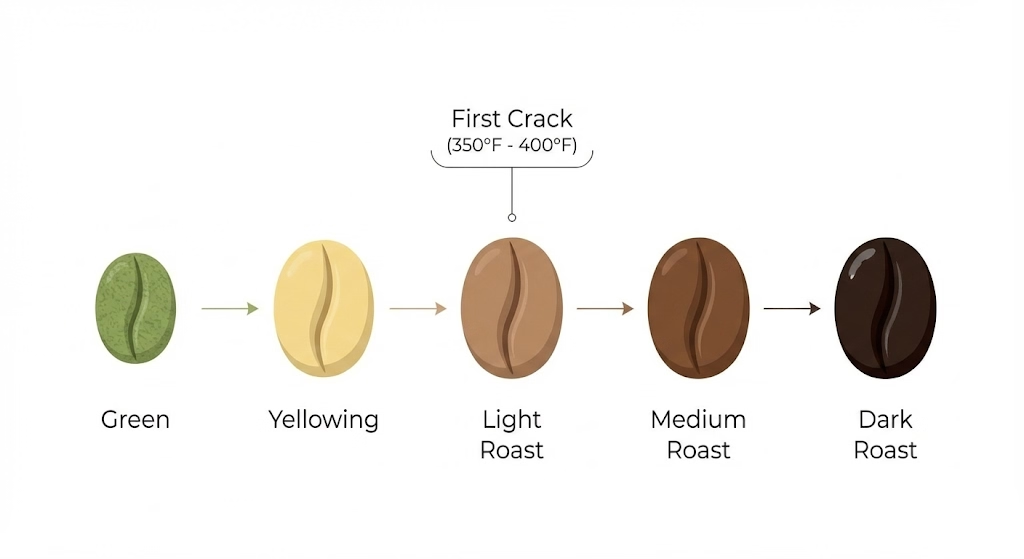
Understanding light roast vs dark roast requires looking at the entire roasting spectrum. As coffee spends more time in the roaster, it trades origin flavors for roast flavors.
| Feature | Light Roast | Medium Roast | Dark Roast |
|---|---|---|---|
| Roasting Temperature | 350°F – 400°F | 400°F – 430°F | 430°F – 450°F+ |
| Surface Appearance | Dry, no oil, pale brown | Mostly dry, medium brown | Very oily, dark brown/black |
| Flavor Profile | Fruity, floral, bright, sweet | Balanced, chocolate, nuts, berries | Smoky, bitter, dark cocoa, earthy |
| Acidity (Taste) | High / Bright | Medium / Balanced | Low / Muted |
| Bean Density | High (Hard to grind) | Medium | Low (Brittle, easy to grind) |
| First/Second Crack | Stops after First Crack | Midway to Second Crack | Reaches or passes Second Crack |
How to Brew Light Roast Coffee Properly
If you have ever brewed a light roast and found it tasted sour, weak, or salty, you likely experienced under-extraction. Light roasts are physically denser than dark roasts, making them less soluble. To extract all those sweet, fruity notes, you have to work a little harder.
Here is the best brewing method for light roast coffee and the parameters you need to succeed.
1. Increase Your Water Temperature
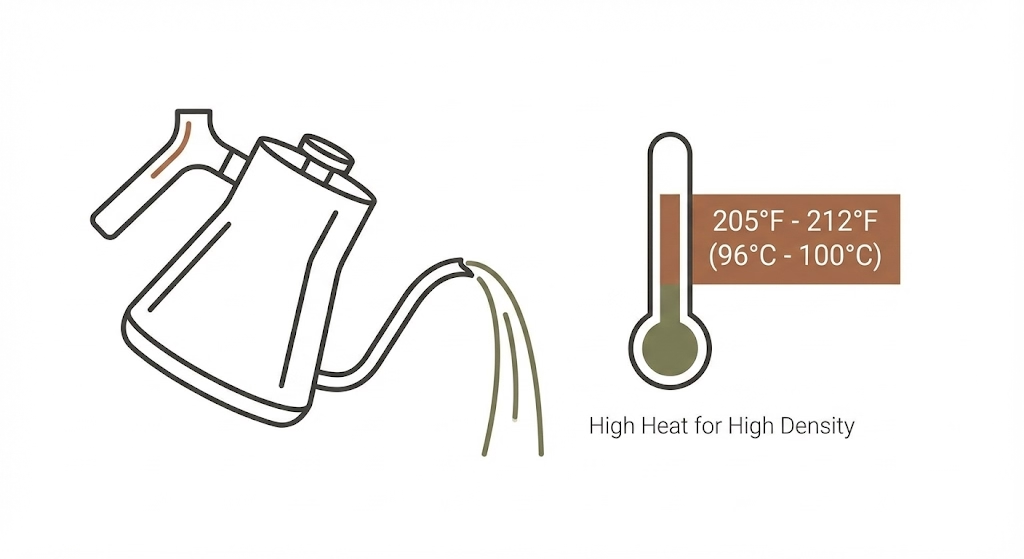
Because light beans have low solubility, you need more thermal energy to dissolve the flavor compounds. Never use lukewarm water. Aim for water temperatures between 205°F and 212°F (96°C – 100°C). Using water right off the boil is often perfect for highly dense, light-roasted coffees.
2. Grind Finer
To increase extraction, you need to increase the surface area of the coffee. Adjust your **grind size** to be noticeably finer than what you would use for a medium or dark roast. A finer grind slows down the water flow, giving it more time to absorb the flavors.
3. Adjust Your Brew Ratio
Light roasts shine when their delicate flavors are given room to breathe. A standard **brew ratio** of 1:15 or 1:16 (one part coffee to 15 parts water) usually yields a beautifully balanced, articulate cup.
Method-Specific Tips
Pour-Over: This is widely considered the best way to enjoy a light roast. The paper filter removes heavy oils, allowing the bright, floral notes to shine.
Drip Coffee Maker: Ensure your machine gets hot enough. Many budget brewers stall at 195°F, which will leave a light roast tasting sour and grassy.
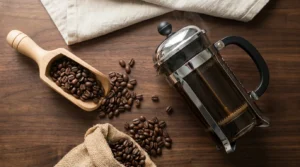
French Press: Because a French Press uses a coarser grind, steep your light roast for longer than usual up to 6 or 7 minutes and use boiling water to ensure adequate extraction.
Espresso: Pulling light roasts as espresso is highly popular in modern cafes, but it requires precise equipment. You will need a finer grind, longer yield ratios (like 1:2.5), and hotter water.
Troubleshooting: If your coffee tastes sharp, sour, or salty, it is under-extracted. Grind finer or use hotter water. If it tastes dry, astringent, or bitter, it is over-extracted. Grind slightly coarser.
Who Should Drink Light Roast Coffee?
Is light roast coffee right for you? It largely depends on your palate and how you take your morning cup.
You will love light roast coffee if:
Exploring the unique origin characteristics of single-origin coffees from places like Ethiopia or Kenya sounds appealing.
Drinking your coffee black is your preference (light roasts can sometimes taste thin when milk is added).
You appreciate tea-like beverages with high clarity, brightness, and a clean finish.
Health-focused benefits, such as higher concentrations of antioxidant-rich chlorogenic acids, are important to your diet.
You might want to avoid light roast coffee if:
Adding heavy cream, milk, or flavored syrups is a must for your daily cup.
You crave a thick, heavy, syrupy body in your coffee.
Stomach sensitivity to perceived acidity is a recurring issue for you.
Frequently Asked Questions
By weight, light and dark roasts contain the exact same amount of caffeine. However, because light roast beans are denser and smaller, they contain slightly more caffeine if measured by volume (using scoops). For consistent caffeine levels, always measure your coffee beans with a digital scale.
“Strong” usually refers to a bitter, intense, and smoky flavor profile, which is found in dark roasts. Light roast coffee is actually more delicate, tea-like, and fruit-forward. If by “stronger” you mean caffeine content, both roasts have roughly the same amount of caffeine by weight.
For most people, no. Light roasts retain more organic chlorogenic acids, which give the coffee its bright, tangy flavor. While the actual pH level is almost identical to dark roast, these specific organic compounds can stimulate stomach acid production, making light roasts feel harsher to those with acid reflux.
First crack is the audible popping sound coffee beans make during the roasting process, usually occurring around 380°F to 400°F. It happens when internal moisture turns to steam and bursts through the bean’s structure. Light roasts are typically removed from the heat immediately after first crack.
Blonde roast is simply a commercial marketing term for light roast coffee. Popularized by large coffee chains, blonde roasts are dropped from the roaster right after first crack to preserve a lighter body, mellow bitterness, and higher perceived acidity compared to the brand’s standard dark roasts.
Yes, but it is challenging. Light roast espresso requires very fine grind sizes, higher water temperatures, and longer pull ratios (e.g., 1:2.5 or 1:3) to avoid severe sourness. Because light roasts are less soluble, a high-quality grinder and a temperature-stable espresso machine are essential for proper extraction.
A golden ratio of 1:15 to 1:17 (coffee to water) works best for light roasts. Because they are delicate and tea-like, stretching the ratio slightly allows the subtle floral and fruity notes to separate and become recognizable on the palate without tasting muddy or overly dense.
Store light roast coffee in an opaque, airtight container at room temperature, away from direct sunlight, heat, and moisture. Because light roasts have no surface oils, they generally stay fresh slightly longer than dark roasts, peaking in flavor around 10 to 21 days after the roast date.
Related Articles
Share your coffee experience
Have you tried this product? Add a thoughtful review or ask a question.
3 Responses