Choosing the **best coffee beans for espresso machines** is less about finding a “magic brand” and more about matching the bean’s chemistry to your equipment and taste. Unlike drip coffee, espresso is brewed under 9 bars of pressure, which amplifies acidity, bitterness, and body. Based on extensive analysis of roast solubility, bean density, and processing methods, we have categorized the top coffee beans for espresso in 2026. This guide moves beyond popularity contests to explain *why* certain beans perform better in your hopper.
How We Evaluate Coffee Beans for Espresso Machines
To provide a genuine recommendation, we analyze beans based on three technical factors that directly impact your morning shot:
1. Extraction Friendliness (Solubility)
Espresso extraction is a race against time (usually 25–30 seconds).
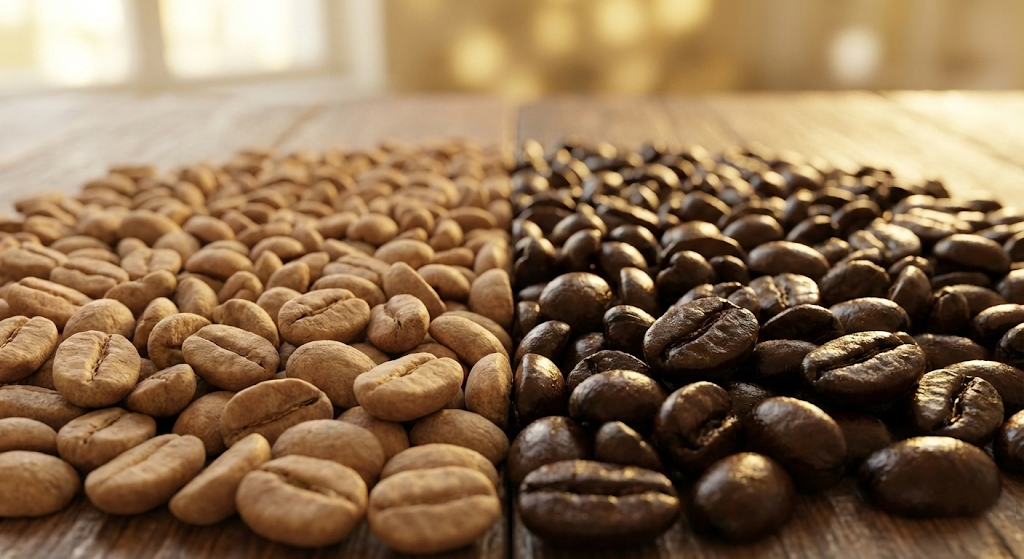
Darker Roasts are more porous. The cellular structure is expanded, allowing water to dissolve flavors quickly. These are “forgiving” and easy to dial in.
Lighter Roasts retain a tight, dense cellular matrix. They require “high energy” extraction (finer grind, hotter water) to avoid sourness. We evaluate how easy a bean is to brew on standard home machines.
2. Crema & Body Potential
Crema the golden foam on top is an emulsion of CO2 bubbles coated in oils (lipids) and polysaccharides.
Processing: Natural (dry) processed beans and those with some Robusta content generally produce thicker, more stable crema due to higher protein and sugar content.
Freshness: Fresh beans retain the CO2 necessary for crema formation.
3. Flavor Use-Case Fit
A bean that tastes like blueberry nectar (light roast) might disappear in a latte, while a bold, chocolatey roast might be too bitter for a straight shot. We categorize beans by where they shine: Milk Drinks or Straight Espresso.
Quick Picks (At a Glance)
| Category | Top Pick | Roast Level | Best For | Flavor Profile |
|---|---|---|---|---|
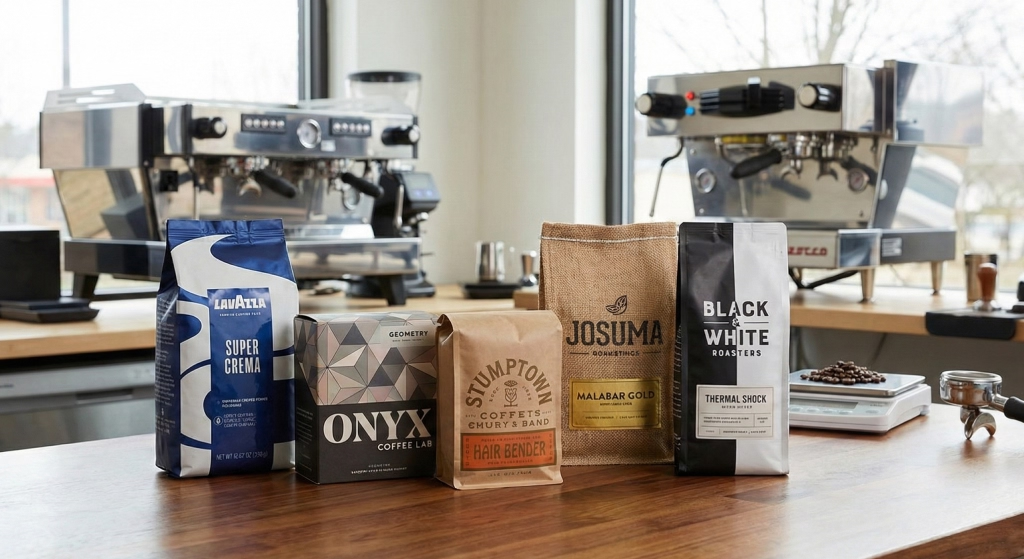
| Best All-Rounder | Intelligentsia Black Cat | Medium | Straight & Macchiatos | Syrupy, sweet cherry, dark chocolate |
| Best for Milk | Onyx Coffee Lab Monarch | Med-Dark | Lattes & Cappuccinos | Red wine, thick chocolate, dried berries |
| Best Traditional | Lavazza Super Crema | Medium | Auto-machines & Crema | Hazelnut, brown sugar, woody notes |
| Best Modern/Complex | Stumptown Hair Bender | Medium | Americanos & Cortados | Sweet citrus, caramel, layered depth |
| Best Single Origin | Ethiopia Sidamo (General) | Light-Med | Fruit lovers | Floral, blueberry, tea-like clarity |
Best Coffee Beans for Espresso Machines (Ranked by Use Case)
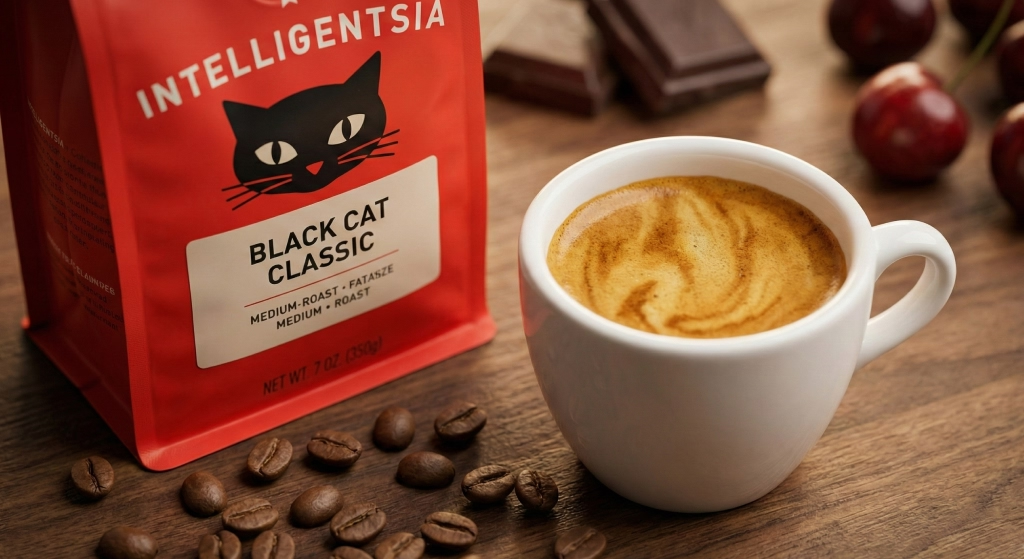
1. Best Balanced Espresso Bean: Intelligentsia Black Cat Classic
The “Modern Classic” for Everyday Brewing
Roast Level: Medium (Preserves origin character)
Blend: Brazil (Semi-washed) + Colombia (Washed)
Intelligentsia’s Black Cat is a staple in the “Third Wave” coffee movement because it bridges the gap between old-school comfort and modern fruitiness. By blending a semi-washed Brazil (for body and crema) with a washed Colombia (for brightness), this blend targets a “sweet spot” extraction of roughly 20%.
Why it works for espresso:
Unlike extremely dark roasts that rely solely on roast flavor, Black Cat retains “fruit-toned acidity.” However, the roast is developed enough to ensure the sugars are caramelized, preventing the sourness often found in lighter specialty beans. It is designed for a 1:2.5 brew ratio (e.g., 18g in, 45g out), which helps spread out the acidity and highlight sweetness.
Best For: Drinkers who want a sweet, syrupy straight shot that isn’t bitter.
Flavor Profile: Sweet cola, orange, dark chocolate.
Pros: High sweetness; balanced acidity; consistent year-round.
Cons: Might taste slightly “thin” if pulled too short (ristretto).
2. Best Espresso Beans for Milk Drinks: Onyx Coffee Lab “Monarch”
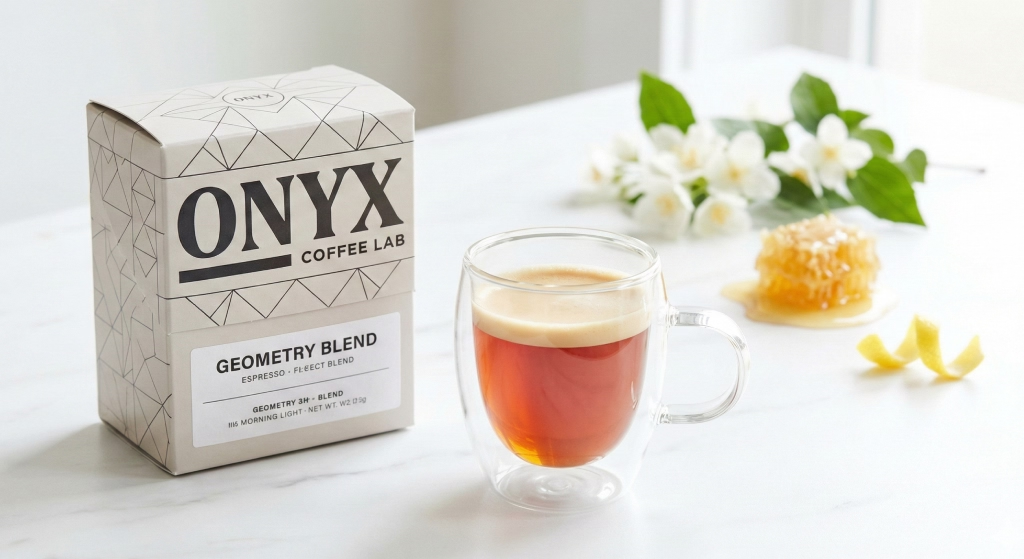
The Rich Foundation for Lattes
Roast Level: Medium-Dark (Developed)
Blend: Ethiopia Natural + Latin America Washed
When adding milk to espresso, you need a bean with high solubility and heavy body to cut through the dairy. Onyx explicitly designed “Monarch” for this purpose. It uses a Natural Process Ethiopian component, which adds “winey” fruit notes and a thick, velvety texture, paired with a structured Latin American bean.
Why it works for espresso:
This is a more porous, developed roast than many craft options. The “Natural” processing of the Ethiopian beans means mucilage (fruit sugar) dried on the bean, enhancing body and crema stability through increased polysaccharides. It extracts easily, creating a “thick and syrupy” shot that holds its flavor in 10oz of milk.
Best For: Cappuccinos, Lattes, and Flat Whites.
Flavor Profile: Bittersweet chocolate, mulled wine, dried berries.
Pros: Exceptional body; distinct flavor even in milk; lower acidity.
Cons: Can be too intense or “funky” for those who prefer clean, mild coffee.
3. Best Traditional Dark Roast: Lavazza Super Crema
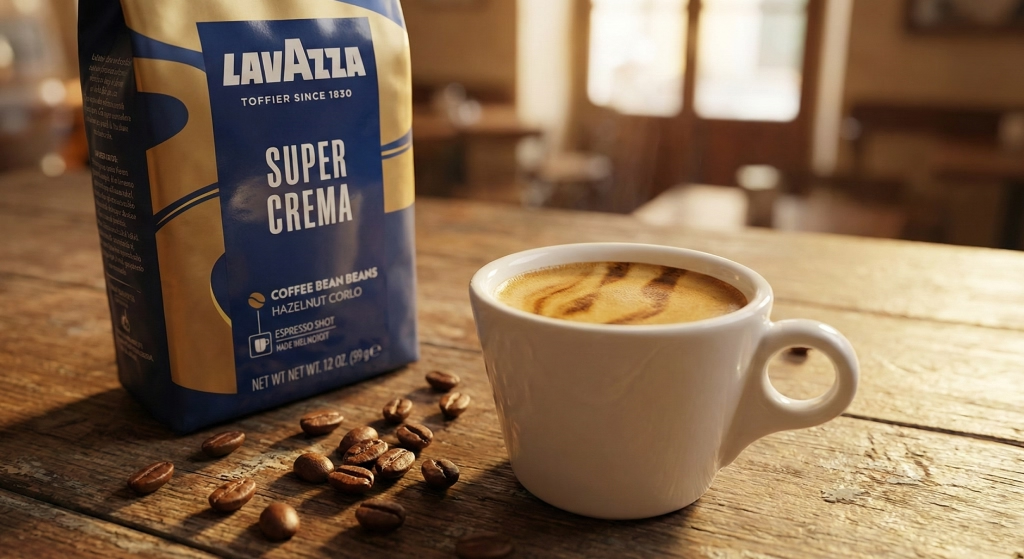
The Crema King for Automatic Machines
Roast Level: Medium (Italian Standard)
Blend: ~60% Arabica / ~40% Robusta
For those seeking the classic “Italian café” experience, Lavazza Super Crema is the industry benchmark. The defining feature here is the inclusion of **Robusta** beans. While often maligned by snobs, high-quality Robusta contains nearly double the polysaccharides and proteins of Arabica, acting as superior surfactants to stabilize crema bubbles.
Why it works for espresso:
This blend is engineered for consistency. The Robusta content ensures a massive, persistent hazelnut-colored crema. It is highly soluble and very forgiving, making it the **best coffee bean for super-automatic espresso machines** that may struggle to grind or extract finer specialty roasts.
Best For: Super-automatic users; lovers of low-acid, creamy shots.
Flavor Profile: Hazelnut, brown sugar, woody/toasty notes.
Pros: Huge crema volume; very forgiving to brew; affordable.
Cons: Lacks the fruity complexity of 100% Arabica; higher caffeine content.
4. Best Complex/Modern Espresso: Stumptown Hair Bender
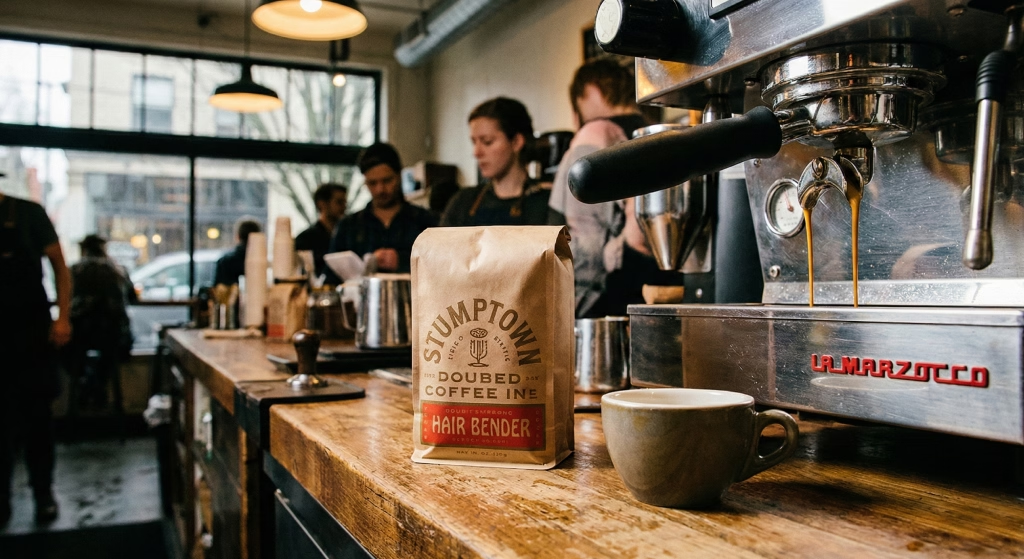
The Layered Flavor Bomb
Roast Level: Medium
Blend: Latin America, East Africa, Indonesia
Hair Bender is a complex three-region blend. It uses Latin American beans for a chocolate base, East African beans for floral highs, and Indonesian beans for savory weight. It is roasted to develop sugar browning but pulled “shorter” than others (1:1.5 ratio) to maximize intensity.
Why it works for espresso:
This blend requires a bit more barista skill. Because it retains denser cellular structures from the high-altitude African components, it benefits from a fine grind and careful temperature management (~200°F). When dialed in, it offers a complexity that single-origin beans rarely match.
Best For: Americanos, Cortados, and enthusiasts who like dialing in.
Flavor Profile: Sweet citrus, dark chocolate, caramel finish.
Pros: Deeply complex; very popular in specialty cafes.
Cons: Less forgiving than darker roasts; requires a good grinder.
5. Best Single Origin: Ethiopia Sidamo (Natural)
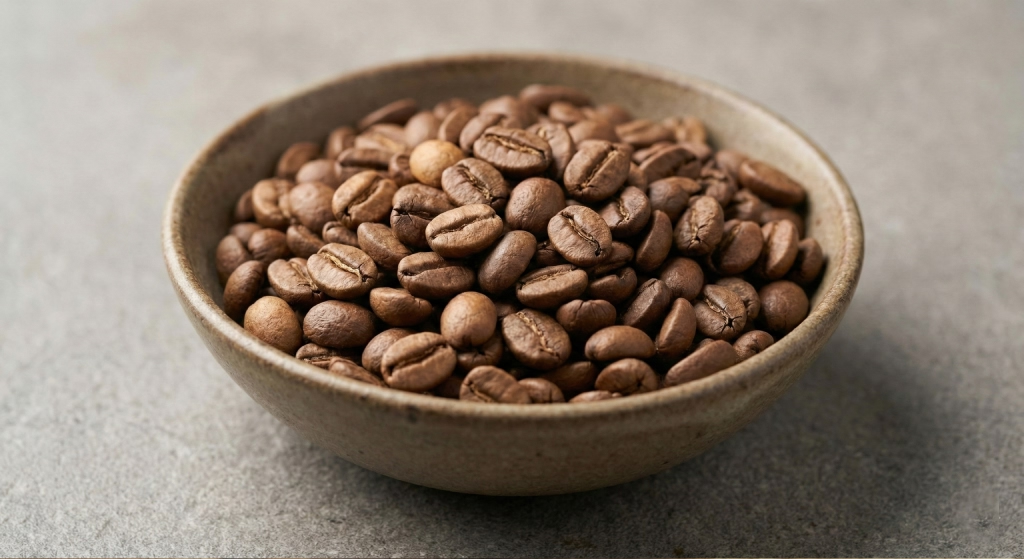
The Fruit-Forward Wildcard
Roast Level: Light-Medium
Origin: Ethiopia (High Altitude ~2,000m)
For the adventurous, a single-origin Natural Sidamo represents the lighter side of espresso. Grown at high altitudes (approx. 2,000 MASL), these beans are physically dense (~740 g/L).
Why it works for espresso:
This is a high-energy extraction bean. You will need higher water temperatures (approx. 95°C) and a finer grind to penetrate the dense structure. The reward is a “sparkling” shot with distinct blueberry and floral notes—flavors that come from the bean’s terroir, not the roast.
Best For: Straight espresso drinkers bored with chocolatey flavors.
Flavor Profile: Blueberry, jasmine, tea-like clarity.
Pros: Incredible aromatic complexity; natural sweetness.
Cons: Difficult to brew (can taste sour if under-extracted); thin crema compared to blends.
What Makes Coffee Beans Good for Espresso?
Understanding three scientific principles will help you choose better beans in the future.
1. Roast Development and Porosity
Roasting physically expands the coffee bean. A dark roast is roughly 60% more porous than a light roast.
Espresso Impact: Porous beans soak up water instantly, releasing flavors quickly. This is why dark roasts are recommended for beginners they extract easily. Light roasts are dense and resist water, often requiring longer “lungo” shots to avoid sourness.
2. The Role of Freshness (CO2)
Crema is largely carbon dioxide. During roasting, gases are trapped inside the bean structure.
Espresso Impact: Old beans have lost their CO2. Without gas, you get no crema, and the espresso feels watery. Ideally, use beans within 4–6 weeks of their roast date.
3. Oil Content
Espresso emulsifies oils to create a creamy mouthfeel.
Espresso Impact: You want beans with developed oils (medium-dark), but be careful with **extremely oily** (shiny black) beans. Surface oils can turn rancid quickly and may clog the grinders of automatic espresso machines. A medium-dark “satin” finish is often the sweet spot.
Common Mistakes When Buying Espresso Beans
Thinking “Espresso” is a plant species: Espresso is a brewing method, not a type of bean. Labels saying “Espresso Roast” usually just indicate a darker roast profile or a blend designed for low acidity. You *can* use any coffee, but some are harder to dial in than others.
Using 100% Arabica for Crema: If your main goal is thick, fluffy crema, 100% Arabica beans might disappoint you. High-quality blends with a touch of Robusta (like the Lavazza option above) rely on Robusta’s specific protein and polysaccharide content to create stable foam.
Buying in Bulk: Because freshness is critical for the pressurized environment of espresso, buying a 5lb bag for a single home user often results in stale shots by the time you finish the bag.
How to Store Coffee Beans for Espresso
To maintain the CO2 required for crema, limit air exposure. Store beans in an opaque, airtight canister away from heat. Do not store beans in the hopper for days at a time, as the heat from the machine will accelerate staling.
FAQs
Technically, no. They are both seeds from the coffee cherry. However, beans labeled “Espresso” are usually roasted darker to reduce acidity and blended to increase body and crema consistency, which makes them perform better under pressure.
Yes. However, if you use a light roast designed for drip coffee, the resulting espresso might taste very sour or “thin” because the water flows through it too fast without extracting enough sugar. You would need to grind much finer to compensate.
Medium to Medium-Dark is the standard. These roasts offer a balance of soluble sugars (sweetness), body (oils), and reduced acidity. Very light roasts are difficult to brew; very dark roasts can taste bitter and ashy.
No. While cheap commodity Robusta tastes rubbery, high-quality Robusta is often used in premium Italian espresso blends to add caffeine, heavy body, and thick crema that Arabica cannot produce on its own.
Unlike drip coffee, espresso requires gas (CO2) for texture. The ideal window is usually 7 days to 6 weeks after roasting. If beans are too fresh (<5 days), the gas can be too violent, disrupting the flow. After 6 weeks, crema diminishes significantly.
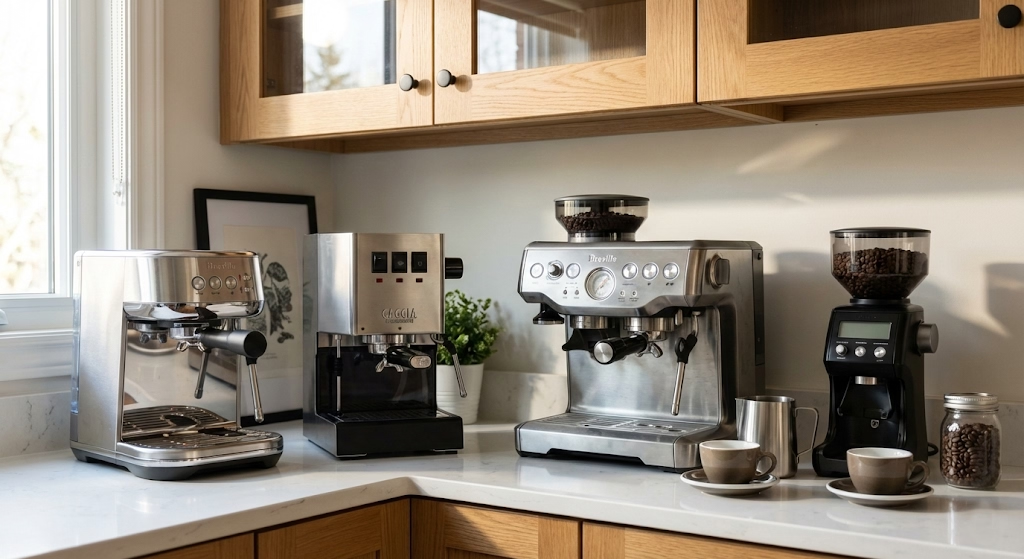
They can. Very dark, oily beans can clump together, clogging the chute of built-in grinders (common in Breville or super-automatic machines). If your beans are shiny and wet-looking, clean your grinder frequently.
Sourness usually means under-extraction. The water passed through too fast or wasn’t hot enough to dissolve the sugars. Try grinding finer or using a darker roast (which is more soluble).
This means the coffee fruit was dried on the bean before removal. For espresso, this is excellent because it retains more fruit sugars and body, often leading to a creamier shot compared to “Washed” coffees.
Conclusion
Finding the best coffee beans for espresso depends on your palate. If you drink milk-based lattes, look for the body and chocolate notes of the Onyx Monarch. If you want a classic Italian shot with massive crema, Lavazza Super Crema is unbeatable. For those who enjoy the nuances of straight espresso, Intelligentsia Black Cat offers a perfect balance of modern fruit and classic sweetness.
Start with a Medium-Dark roast to master your machine, then branch out into single origins once you are comfortable adjusting your grind size.