Table of contents
- What Is Blonde Espresso? (Quick Answer)
- Where Did Blonde Espresso Come From?
- Blonde Espresso vs Regular Espresso
- Does Blonde Espresso Have More Caffeine?
- What Does Blonde Espresso Taste Like?
- How to Make Blonde Espresso at Home
- Best Drinks to Make With Blonde Espresso
- How to Store Blonde Espresso Beans
- Frequently Asked Questions
If you have ever looked at a café menu and wondered what blonde espresso actually is, you are far from alone. The term has exploded in popularity since Starbucks put it on the menu, but the concept behind it is older than the branding — and far simpler than most articles make it sound.
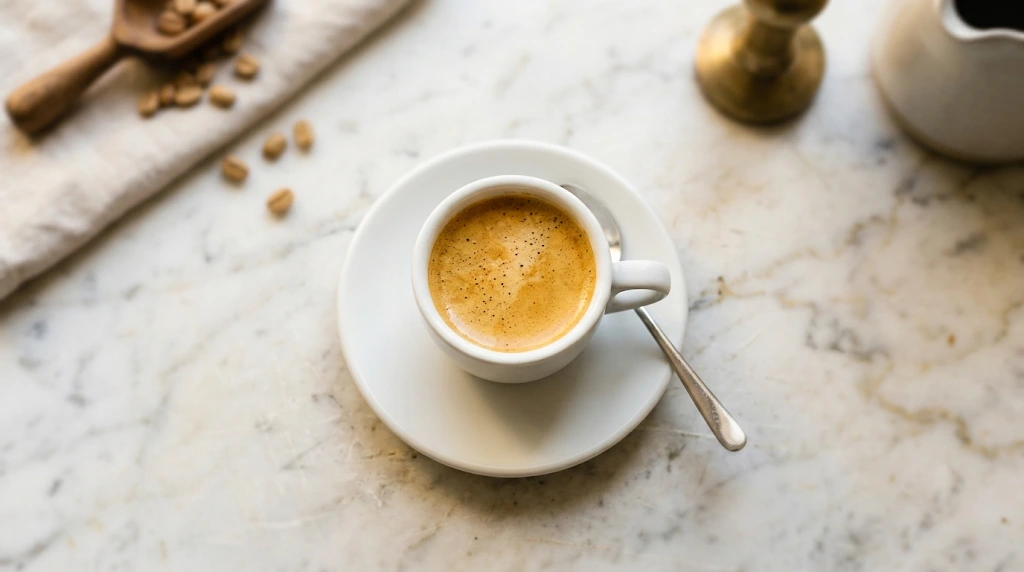
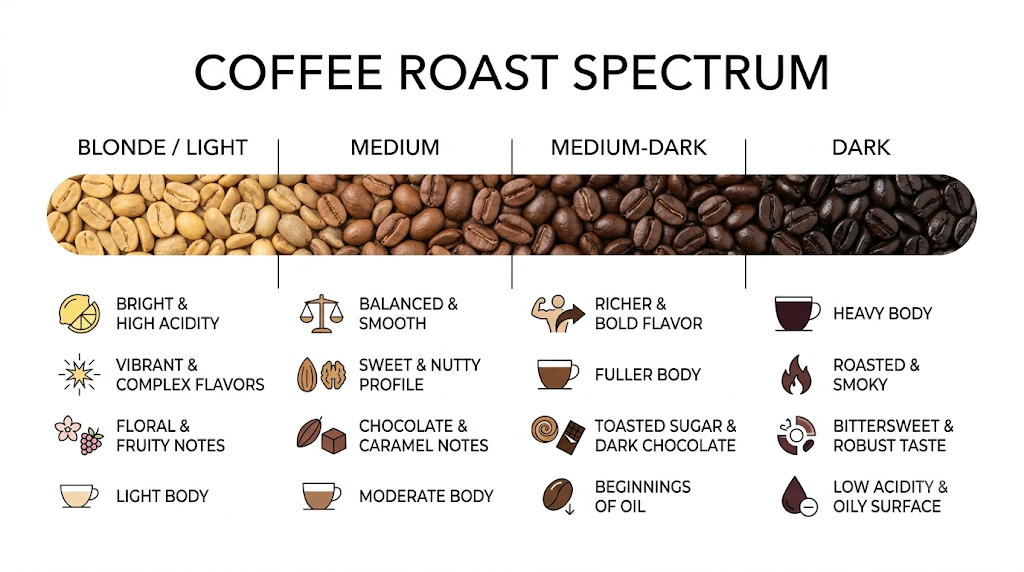
Blonde espresso is espresso made from light-roast coffee beans. Instead of roasting the beans to the dark, oily stage that gives traditional espresso its smoky bitterness, a blonde roast is pulled from the roaster right after first crack — the point where the beans audibly pop and expand. The result is a shot that tastes brighter, sweeter, and more complex than its dark-roast counterpart, with citrus and caramel notes replacing the familiar smoke and dark chocolate.
This guide covers everything you need to know: what blonde espresso means, how it compares to regular espresso in flavor and caffeine, and exactly how to brew it at home — whether you own a dedicated espresso machine or not.
What Is Blonde Espresso? (Quick Answer)
Blonde espresso is a marketing-friendly name for espresso brewed with light-roast coffee beans. The beans are roasted at a lower temperature for a shorter time, which preserves more of their natural sugars and origin-specific flavors. A single shot of blonde espresso contains roughly 85 mg of caffeine, compared to about 75 mg in a standard dark-roast espresso shot.
The key points at a glance: blonde espresso is not a different brewing method — it is the same pressurized extraction you already know, just using lighter beans. The lighter roast makes the shot taste sweeter and less bitter, with higher acidity and brighter flavor notes. It pairs especially well with milk-based drinks because those citrusy, caramel tones cut through steamed milk without getting lost.
Where Did Blonde Espresso Come From?
The term “blonde roast” was introduced by Starbucks around 2012 to describe their lighter coffee offerings. The Starbucks Blonde Espresso specifically landed on menus in early 2018, positioned as a smoother, less bitter option alongside the chain’s standard Signature Espresso. It was a hit — particularly with customers who found traditional espresso too harsh or too intense.
But Starbucks did not invent light-roast espresso. Specialty coffee roasters like Blue Bottle, Intelligentsia, and Stumptown had been pulling shots from light-roast beans for years, focusing on origin-specific flavor profiles — “Kenyan with berry-like brightness” or “Ethiopian with floral, tea-like notes” — rather than using the word “blonde.” In the broader coffee world, blonde espresso is simply the mainstream way of saying ‘light-roast espresso’ — a category the National Coffee Association’s roast guide classifies under light roast, defined by beans pulled just after first crack.” If you have ever enjoyed a pour-over that tasted more like juice than coffee, the same roast philosophy applies here.
For a deeper dive into how roast levels affect flavor and caffeine, our guide to light roast coffee covers the full science behind first crack, bean density, and extraction.
Blonde Espresso vs Regular Espresso
Understanding the difference between blonde espresso and regular espresso comes down to one variable: roast level. Everything else — the machine, the pressure, the dose — stays the same. But that single change in roast profile shifts flavor, caffeine, and how you need to dial in the shot.
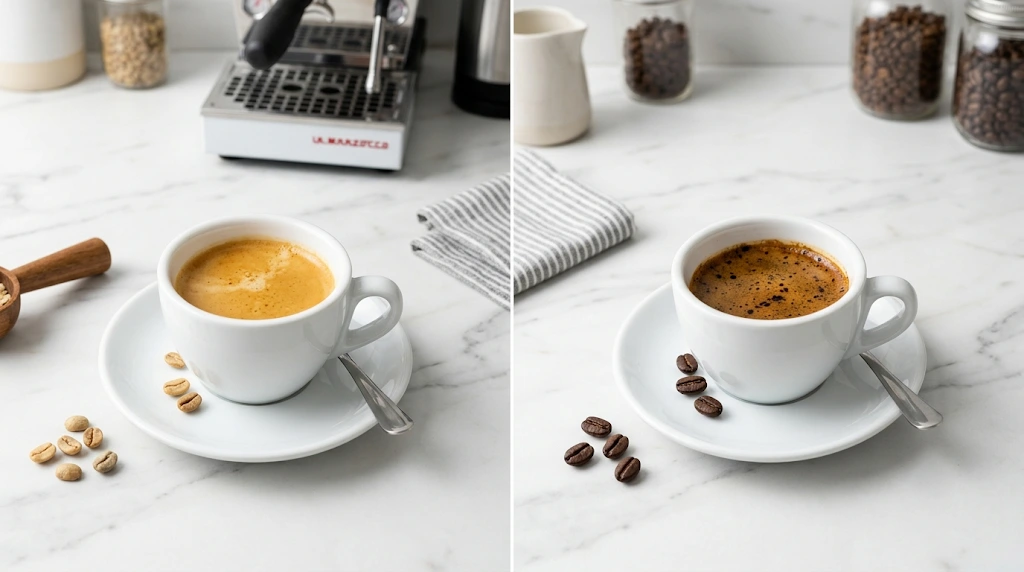
| Feature | Blonde Espresso | Regular (Dark) Espresso |
| Roast Level | Light — pulled at first crack (~385–400°F) | Medium-dark to dark — pulled at or after second crack (~430–450°F) |
| Flavor Profile | Bright, sweet, citrusy, caramel, floral | Bold, smoky, dark chocolate, nutty, bitter |
| Caffeine (per shot) | ~85 mg | ~75 mg |
| Acidity | Higher — brighter, citrus-like | Lower — smoother, rounder |
| Bitterness | Low | Moderate to high |
| Bean Density | Higher (denser, harder bean) | Lower (more porous, expanded) |
| Crema Appearance | Thinner, golden | Thicker, reddish-brown |
| Ideal Grind Size | Slightly finer than standard | Standard espresso fine |
| Best Water Temp | 94–96°C (201–205°F) | 91–93°C (196–199°F) |
| Best For | Lattes, oat milk drinks, iced espresso | Straight shots, ristrettos, traditional cappuccinos |
The roasting process is the only thing that separates these two. When beans are roasted longer, heat breaks down more of the chlorogenic acids (which create brightness) and caramelizes more sugars into bitter compounds. A blonde roast stops that process early, so the natural fruit-forward and floral characteristics of the bean survive into your cup. If you want to experiment with different espresso beans to see how roast level changes your shot, start with the same origin bean at two different roast levels — the contrast is striking.
Does Blonde Espresso Have More Caffeine?
Yes slightly. A single shot of blonde espresso contains approximately 85 mg of caffeine, while a standard dark-roast espresso shot has about 75 mg. That is roughly a 10–13% difference per shot. In a two-shot latte, the gap widens to about 170 mg versus 150 mg.
The reason is bean density. Light-roast beans are denser and less porous than dark-roast beans because they spend less time exposed to heat — a relationship confirmed by USDA food composition data on coffee, which shows that roast duration has a measurable but modest effect on caffeine retention. When measured by volume (scooping), you pack more coffee mass — and therefore more caffeine — into the same dose. When measured by weight (using a scale), the difference narrows significantly because you are controlling the actual amount of coffee regardless of bean size.
The practical takeaway: if your café scoops doses by volume, blonde espresso will deliver noticeably more caffeine. If you weigh your doses at home on a quality grinder setup, the caffeine difference between blonde and dark is minimal. Either way, both types deliver substantially less caffeine per serving than a full cup of drip or cold brew coffee.
What Does Blonde Espresso Taste Like?
The flavor profile of blonde espresso is distinctly different from what most people think of when they imagine an espresso shot. Where traditional espresso leans into dark chocolate, toasted nuts, and smoky richness, blonde espresso brings brightness and sweetness to the front.
Common Tasting Notes
Expect citrus (lemon, orange zest), caramel sweetness, floral hints, and sometimes a light berry or stone fruit character depending on the bean origin. The body is thinner and more tea-like than a dark-roast shot, and the finish is shorter and cleaner — less lingering bitterness, more of a quick sweet-tart snap.
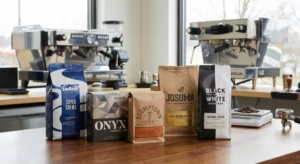
Ethiopian and Kenyan beans roasted to blonde level tend to taste the most fruit-forward, while Latin American blondes (Colombian, Guatemalan) lean more toward caramel and brown sugar. Choosing the right coffee beans for your espresso machine matters even more with blonde roasts because the lighter processing lets origin character dominate.
Who Will Love It (and Who Will Not)
If you typically add flavored syrups, oat milk, or vanilla to your coffee, blonde espresso is a natural fit — those sweet, citrusy base notes complement sweeteners rather than fighting them. For people who enjoy a vanilla latte, swapping in blonde espresso creates a noticeably smoother, less bitter result.
On the other hand, if you love pulling a straight ristretto and savoring the bitter-sweet intensity, blonde espresso may feel too light. It lacks the heavy body and roasty depth that dark-roast fans crave. Neither is objectively better — they are different tools for different drinks.
How to Make Blonde Espresso at Home
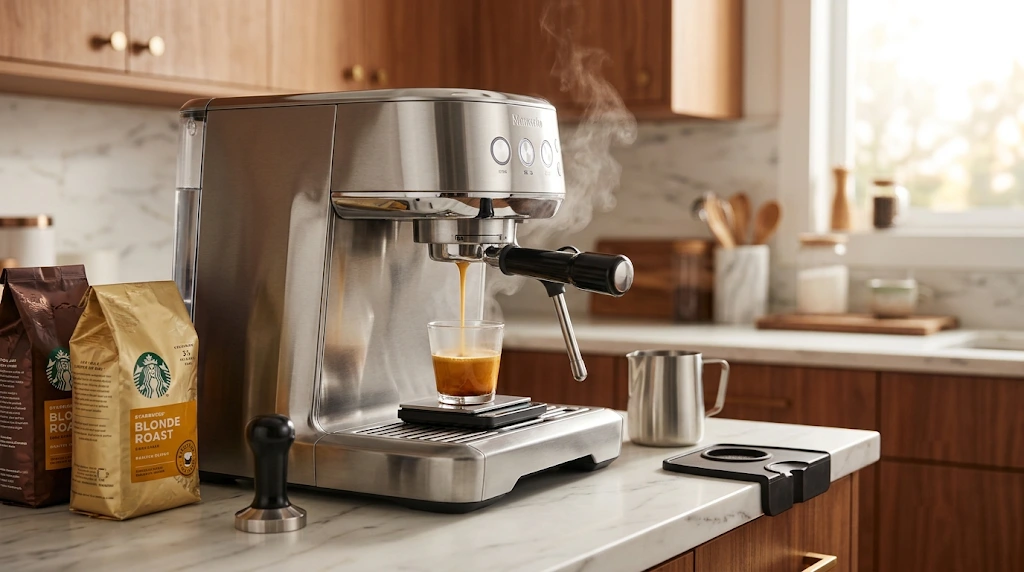
Making blonde espresso at home requires some adjustments compared to pulling a standard dark-roast shot. Light-roast beans are denser and less soluble, which means they resist extraction — if you use the same settings as your dark roast, the shot will taste sour and thin. Here is how to adjust.
What You Need
An espresso machine (a semi-automatic like those in our best home espresso machines guide works perfectly), a quality burr grinder (consistency matters more for light roasts — see why your grinder matters more than your machine), fresh blonde or light-roast espresso beans (ideally 7–21 days off roast), a digital scale, and filtered water.
Brewing Parameters for Blonde Espresso
| Parameter | Recommended Setting |
| Dose (in) | 18–20 g |
| Yield (out) | 40–50 g (1:2.2 to 1:2.5 ratio) |
| Brew Time | 28–35 seconds |
| Water Temperature | 94–96°C (201–205°F) |
| Grind Size | Finer than standard espresso — like powdered sugar |
| Pressure | 9 bars (standard) |
Step-by-Step Method
1. Grind your blonde espresso beans finer than you would for a dark roast. Because light-roast beans are denser, water flows through them faster — a finer grind slows the flow and allows proper extraction.
2. Dose 18–20 g of ground coffee into your portafilter. Use a scale for precision — this matters more with blonde beans where small changes have a big impact.
3. Distribute the grounds evenly and tamp with firm, level pressure.
4. If your machine allows temperature adjustment, set it to the higher end — 94–96°C (201–205°F). The extra heat helps extract the sugars trapped inside the dense cellular structure of light-roast beans.
5. Pull the shot aiming for a 1:2.2 to 1:2.5 ratio by weight. For an 18 g dose, that means 40–45 g of liquid espresso in the cup.
6. Target a 28–35 second extraction time. If the shot runs too fast (sour, thin), grind finer. If it chokes or tastes bitter and ashy, coarsen up slightly.
The longer ratio compared to a traditional 1:2 shot is intentional. Light-roast espresso needs more water to dissolve the tightly bound sugars and acids inside the denser bean. Pulling at 1:2 often produces an unpleasantly sour, under-extracted shot. If you are still learning to dial in, our espresso brewing guides walk through troubleshooting in detail.
No Espresso Machine? Alternatives
You can approximate blonde espresso with a Moka pot (use fine grounds and pull it off the heat early) or an AeroPress (fine grind, inverted method, 30 seconds steep, hard press). The result will not be true espresso — you will not hit 9 bars of pressure — but the flavor profile will be in the right neighborhood. For a completely different but equally smooth option, try making a blonde cold brew using light-roast beans with a 1:8 concentrate ratio.
Best Drinks to Make With Blonde Espresso
Blonde espresso shines brightest in drinks where its sweetness and brightness can play off milk or flavored syrups. Here are the most popular options:
Blonde Vanilla Latte — The citrus-caramel sweetness of blonde espresso pairs beautifully with vanilla syrup and steamed milk. It tastes noticeably less bitter than the same drink made with dark espresso. Follow our vanilla latte recipe and simply swap in blonde beans.
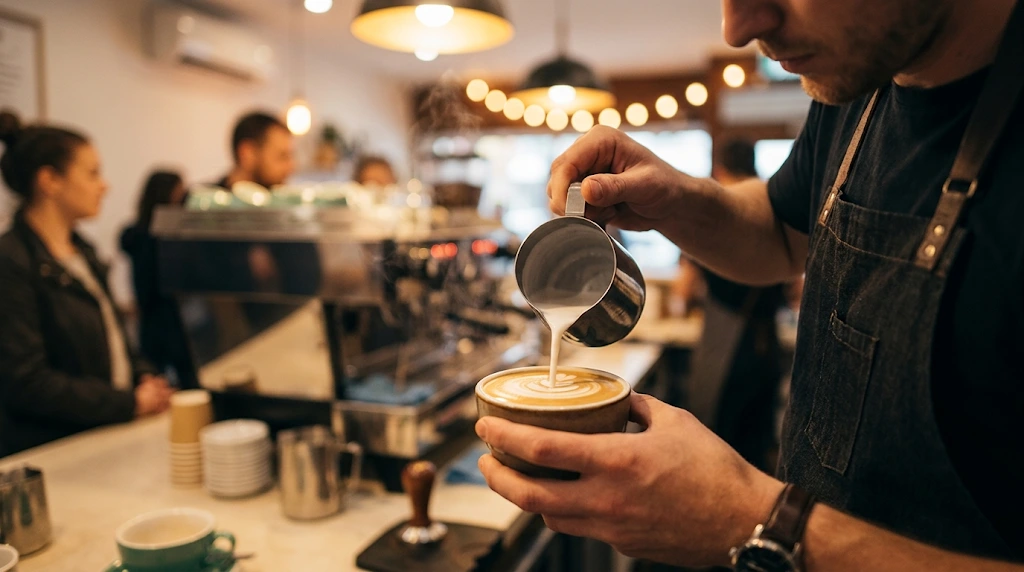
Blonde Flat White — The smaller milk volume of a flat white lets the blonde espresso’s origin character come through. Ethiopian blonde beans make an especially complex flat white.
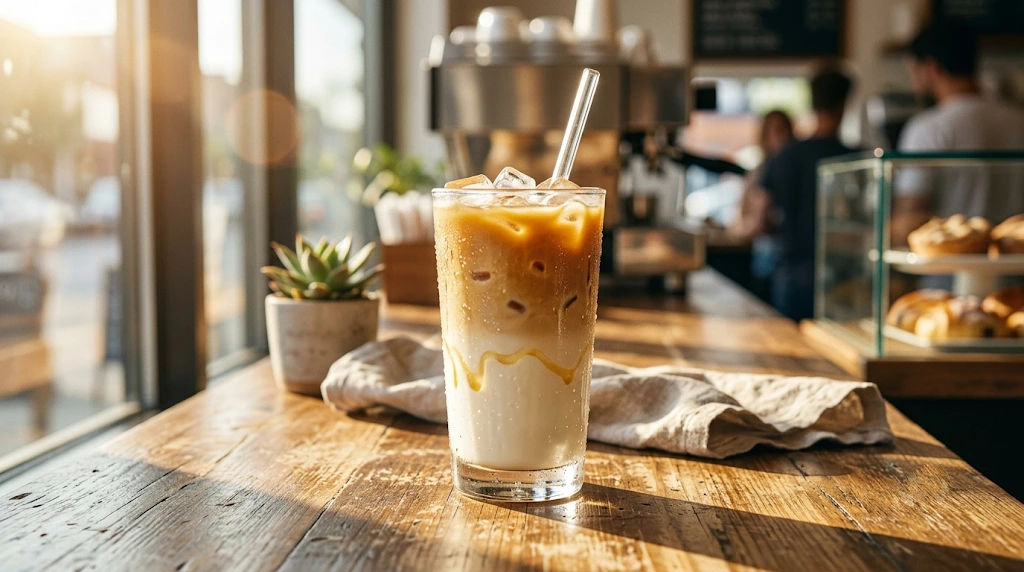
Iced Blonde Americano — Two shots of blonde espresso over ice and cold water. Clean, bright, and incredibly refreshing in warm weather. If you are new to Americanos, start with our step-by-step Americano guide and substitute blonde for the standard roast.
Blonde Cappuccino — The lighter body of blonde espresso means you want slightly less foam than a traditional cappuccino to avoid overpowering the delicate flavors. Our cappuccino vs latte comparison explains the milk ratio differences if you want to fine-tune the balance.
Blonde Oat Milk Latte — Oat milk’s natural sweetness amplifies the caramel notes of blonde espresso. This combination has become one of the most popular specialty café orders in the last two years.
How to Store Blonde Espresso Beans
Because blonde espresso beans have no surface oils (the oils have not yet migrated to the surface during roasting), they actually stay fresh slightly longer than dark-roast beans — typically peaking between 10 and 21 days after roasting. Store them in an airtight, opaque container at room temperature, away from heat, moisture, and light. Never freeze beans you plan to use within a month. For detailed storage methods, our guide on how to store coffee beans covers everything from valve bags to vacuum canisters.
Frequently Asked Questions
It depends on what you mean by “stronger.” In caffeine, yes — blonde espresso has about 85 mg per shot versus 75 mg for dark-roast espresso. In flavor intensity and bitterness, no — dark-roast espresso tastes bolder and more intense. Blonde espresso trades strength of flavor for brightness and sweetness.
The only difference is the roast level of the beans. Blonde espresso uses light-roast beans (pulled at first crack), while regular espresso uses medium-dark or dark-roast beans (pulled at or after second crack). The brewing method, machine, and pressure are identical. The roast change affects flavor, caffeine, acidity, and how you need to dial in the grind.
Yes, slightly. A shot of blonde espresso contains approximately 85 mg of caffeine compared to about 75 mg in a standard espresso shot. The lighter roast preserves more caffeine because the beans spend less time exposed to high heat. However, when doses are measured by weight rather than volume, the difference becomes nearly negligible.
Blonde espresso tastes bright, sweet, and less bitter than regular espresso. Common tasting notes include citrus, caramel, light floral hints, and sometimes berry or stone fruit. The body is thinner and more tea-like, and the finish is cleaner with less lingering bitterness.
You can get close using a Moka pot, AeroPress, or even a strong pour-over with fine grounds and a fast brew time. These methods will not replicate the full pressure extraction of a real espresso machine, but they will produce a concentrated, flavorful shot from light-roast beans. For a full equipment comparison, check our best home espresso machines guide.
Blonde espresso uses light-roast beans, but it is not the same as light roast drip coffee. The difference is the brewing method. Blonde espresso is brewed under 9 bars of pressure through fine grounds in about 30 seconds. Light roast drip coffee is brewed by gravity with coarser grounds over 3–5 minutes. Same beans, very different results.
No — it is actually more acidic. Light roasting preserves more of the bean’s natural chlorogenic acids, which give blonde espresso its bright, citrusy character. If you are sensitive to acidity, dark-roast espresso is the smoother choice because the longer roasting process breaks down those acids.
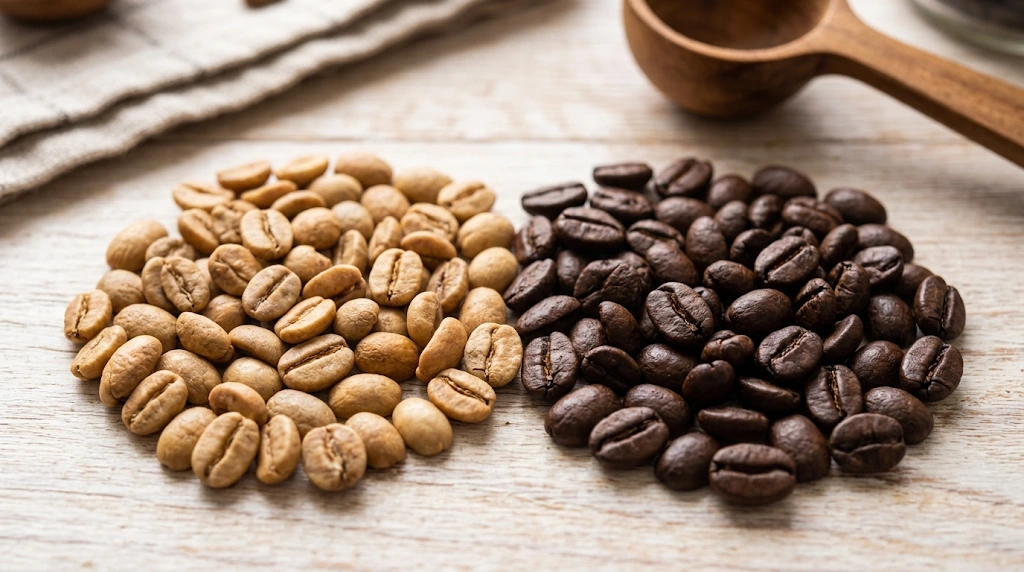
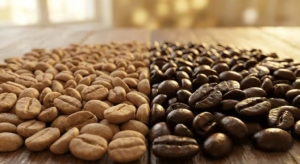
The name comes from the color of the roasted beans. Light-roast beans are a pale, golden-brown color — visually “blonde” compared to the dark brown or nearly black color of traditional espresso beans. Starbucks popularized the term as a consumer-friendly alternative to “light roast espresso.”
Final Thoughts
Blonde espresso is not a gimmick or a watered-down version of “real” espresso — it is a legitimate roast style that highlights the natural sweetness and complexity of coffee beans. Whether you are ordering at Starbucks or pulling shots at home, understanding what blonde espresso is and how to brew it gives you a wider palette of flavors to work with. Start with a good light-roast bean, grind finer than usual, bump the temperature up, and pull a slightly longer ratio. The bright, clean shot you get might just change how you think about espresso entirely.
For more coffee brewing techniques and gear reviews, explore our brewing guides and espresso machine reviews.
Share your coffee experience
Have you tried this product? Add a thoughtful review or ask a question.